Architecture in Brussels — Fujifilm X-T30 II + Tamron 17-70mm f2.8 & 27mm f2.8 pancake lens
I’m almost at the two-month mark here in Brussels and I’ve only managed to cover a small part of this weird, charming city. There are only so many free days in a week beside a busy university schedule, and going on a photo walk requires more effort than it looks — the walk itself, then importing, selecting, editing, writing, and finally publishing. But I enjoy it. I’m building my own personal archive and learning a lot along the way.
To be honest, my knowledge of Brussels was very limited before I moved here for a five-month exchange semester. I knew it was the de facto capital of the European Union and well connected to other European cities. That ease of travel became one of the main reasons I wanted to come here. I’m experiencing this city with fresh eyes and trying to learn about it’s rich history.
You never quite know what’s around the corner when you walk Brussels. It could be a fairytale-like architectural masterpiece on one side of the street and an enormous glass office building that seems slightly out of place on the other. That contrast never gets old.
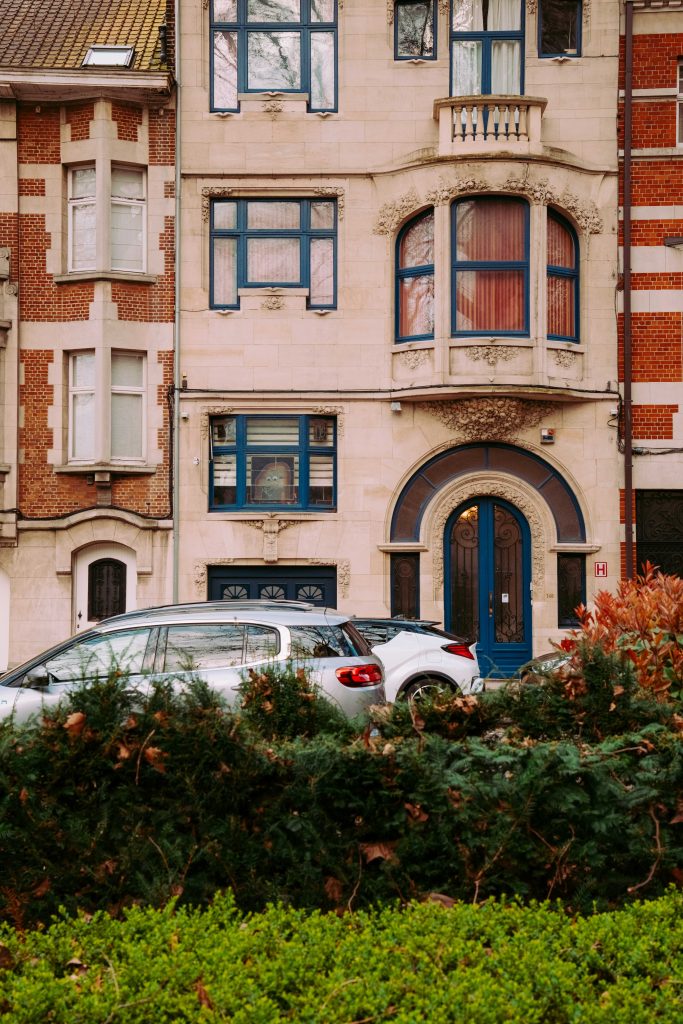
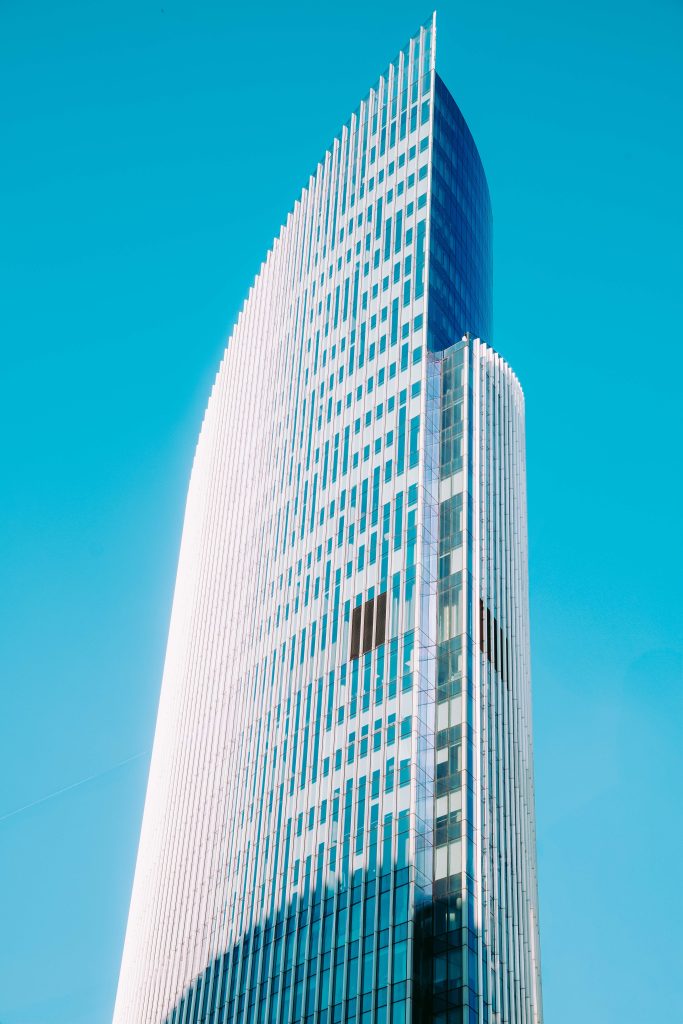
Brussels makes me feel small
Most of the time, I feel like an ant walking around this city. The Tamron zoom lens lets me pull in the details from a distance, while the pancake lens forces me to work with what’s in front of me and capture the actual sense of scale. You can see my full gear here. It’s easy to get overwhelmed by the sheer size of the skyscrapers, and at the same time feel a slight claustrophobia from the densely packed streets below them. Both feelings can happen within the same block.
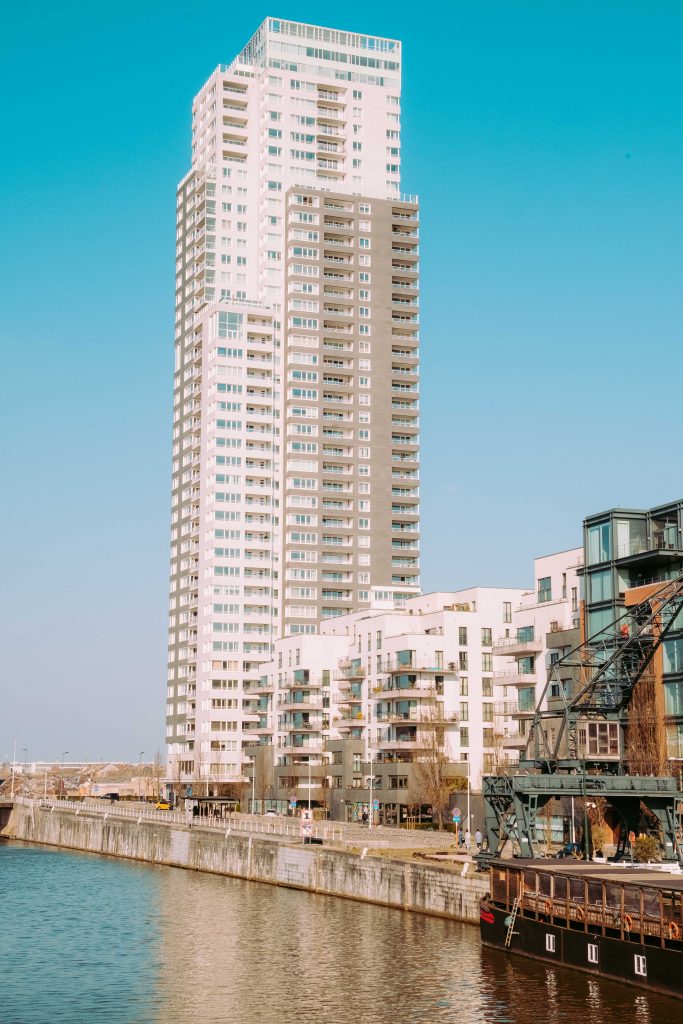
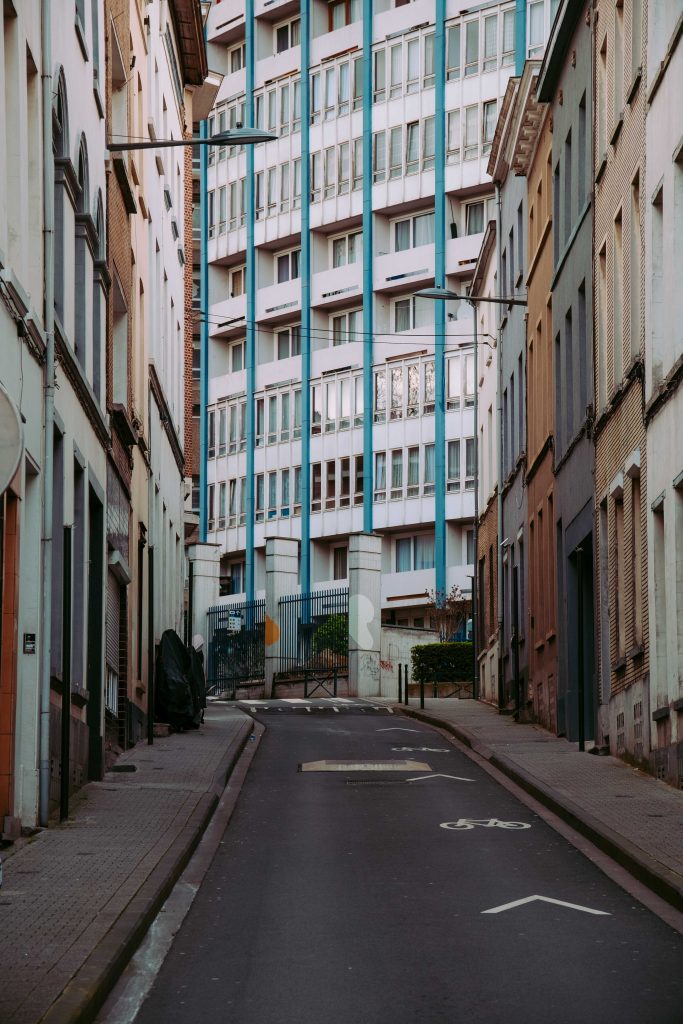
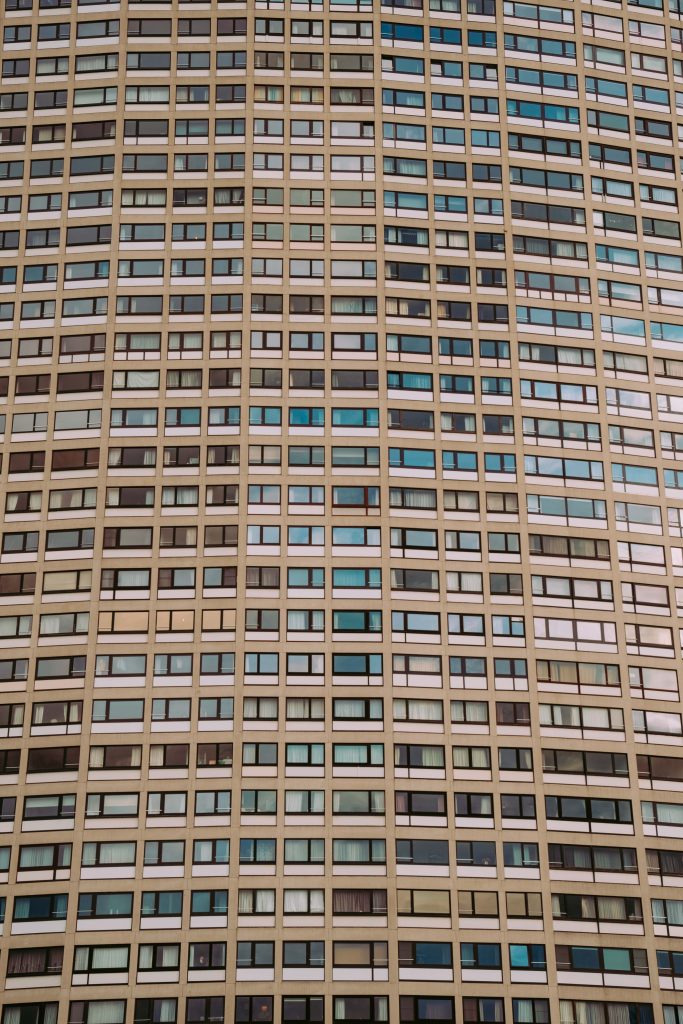
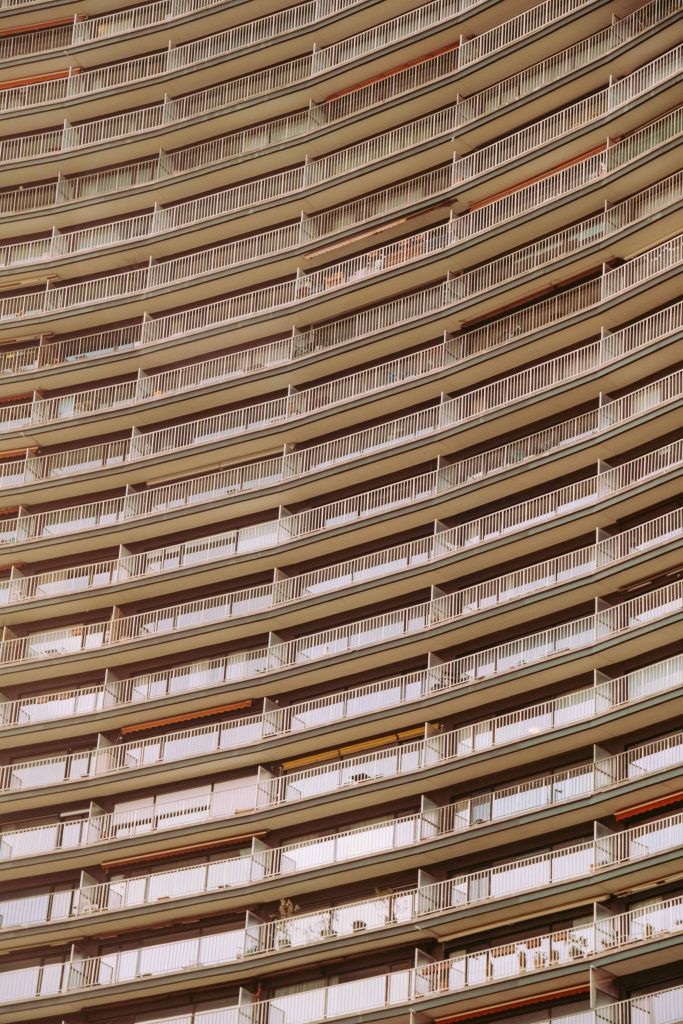
I’ve always been drawn to repeating patterns in photography, and Brussels gives me a lot to work with. My current obsession is window and balcony grids on residential buildings — the kind of facade where the structure is completely identical floor after floor, but the residents have made each one their own. A flag here, some plants there, a curtain that’s slightly different from every other curtain on the building. Small efforts of personalisation inside an otherwise brutalist grid. I find that contrast genuinely interesting to photograph.
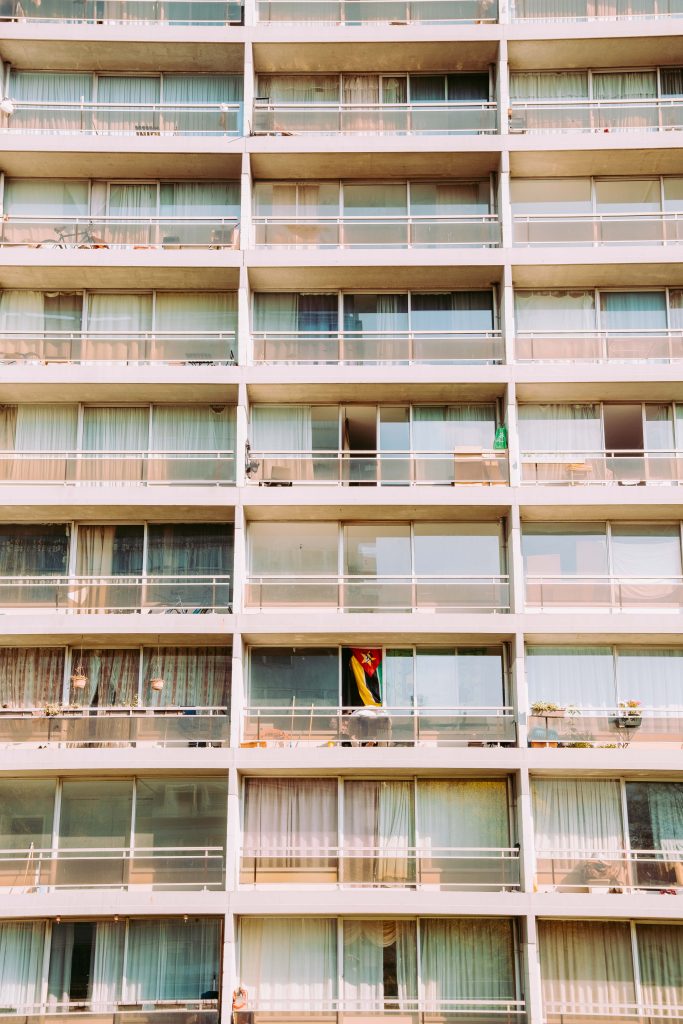
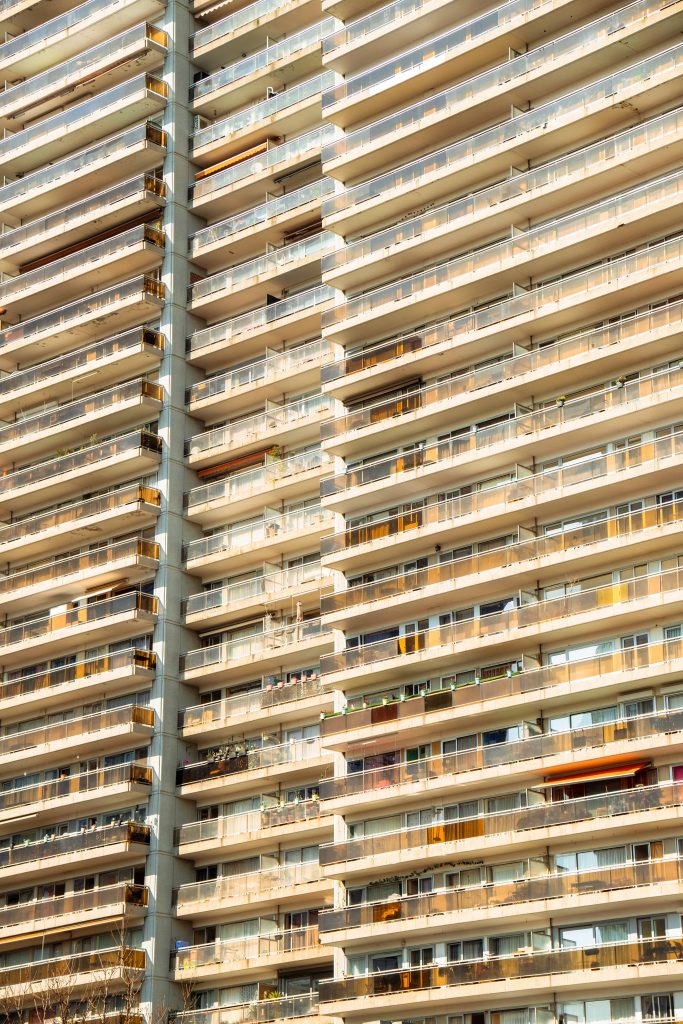
I’m not really interested in capturing a building in its entirety. What I’m after is the feeling of scale — through close-up angles, compressed perspectives, and the patterns you can only see when you get close enough to fill the frame. The Berlaymont building, the headquarters of the European Commission, became something close to an obsession on one of these walks. The closer I got, the less it looked like a building and the more it became pure geometry.
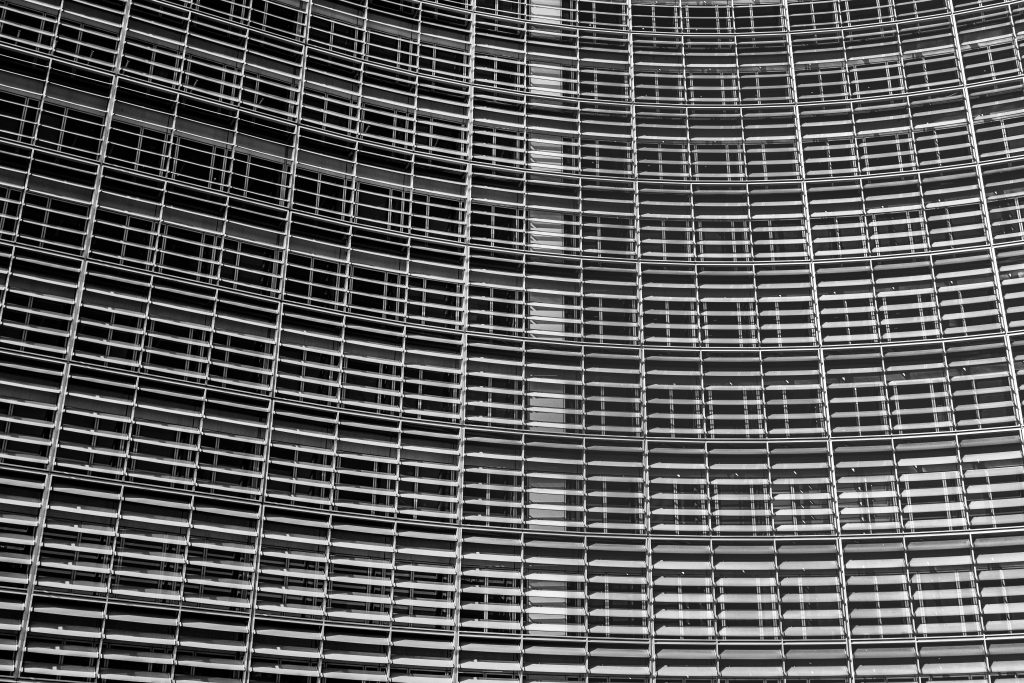
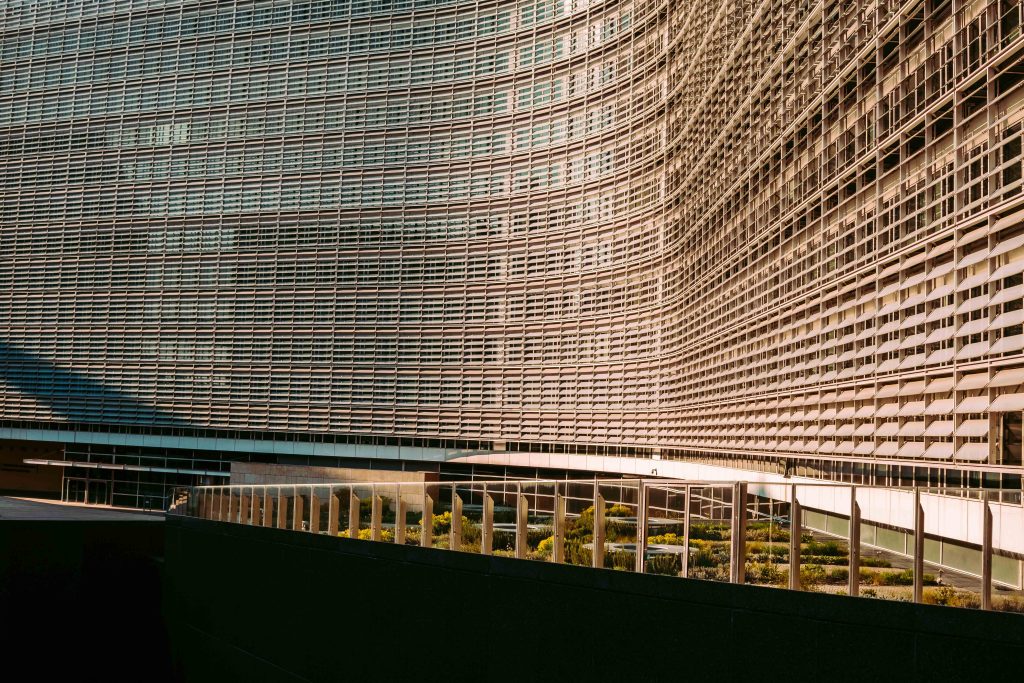
A few streets away, the Brusilia — a residential tower standing at roughly 100 metres across 35 floors — does something similar. At that scale, the building stops being a place people live and starts being a pattern that repeats until it hits the sky.
Brussels is quirky — and uniquely photogenic
You’ll find the most extraordinary buildings right next to worn-down laundromats and always-open night shops. The night shops especially become beacons of the city after dark — but that’s a whole separate story. The streets are narrow and everything seems squeezed in or built almost on top of each other, every square metre used to its full potential. It shouldn’t work visually, but somehow it does.
Every corner you turn, a fresh perspective appears. Having different lenses to work with means I can emphasise that — zooming into a detail that would otherwise disappear, or stepping back to let the scale speak for itself. Brussels rewards both approaches.
See my previous photo walk.
Here are some more photos from different photo walks.


